
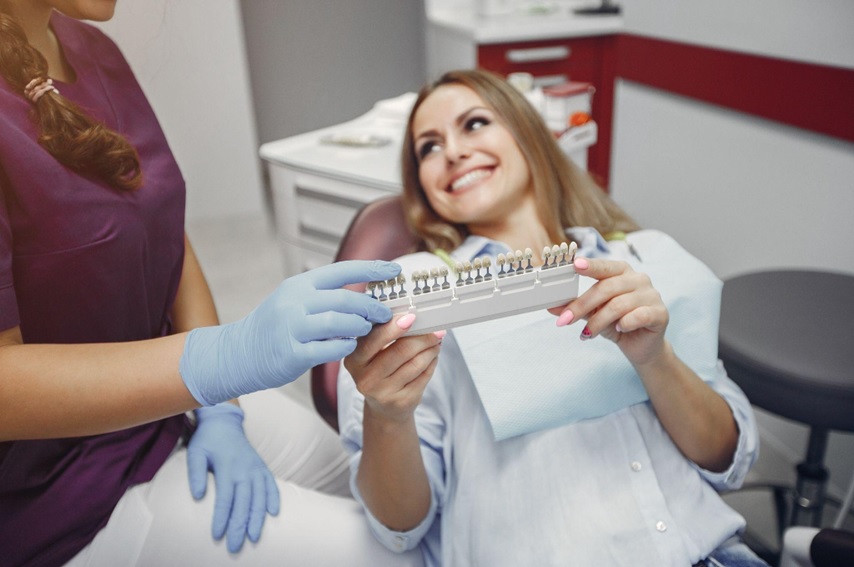

Observing tooth discolouration in the mirror prompts many individuals to seek cosmetic dental procedures. Regular consumption of coffee, tea, and dark sauces alters the shade of natural enamel over time. To address this surface change, consumers often book promotional packages online or purchase over-the-counter strips from retail pharmacies. However, modifying tooth shade requires more than finding the lowest advertised price. Incorrect application, inappropriate peroxide concentrations, and unaddressed dental decay can cause oral pain and soft tissue irritation. Pursuing affordable teeth whitening in Singapore requires an informative discussion with a dental clinician before any bleaching agent touches your teeth. By asking specific questions regarding clinical safety, tooth suitability, existing decay, and routine maintenance, you protect your dental structures and manage procedure costs predictably.
The Underlying Cause: Identifying Why Teeth Discolour
Understanding the nature of tooth discolouration determines which dental procedure produces measurable results.
Extrinsic stains form on the outer enamel surface from dietary tannins, coffee, tea, red wine, and tobacco smoke. Clinical bleaching gels target these external stains by breaking down organic pigment molecules within the enamel rods. In contrast, intrinsic stains reside within the underlying dentine layer, developing from childhood tetracycline use, physical trauma, or excess fluoride exposure during tooth development. Bleaching gels do not lighten severe intrinsic discolouration. In these cases, clinicians frequently suggest restorative dental options such as dental veneers in Singapore to cover internal greyness with thin porcelain shells. Asking your dentist to identify your exact stain classification ensures you do not allocate funds to chemical whitening that cannot reach internal pigmentation.
The Evaluation Framework: Critical Questions to Ask Chairside
A structured consultation ensures you gather essential operational details before committing to a treatment package.
Clinical TopicEssential Question to AskPractical Patient OutcomeOral Health StatusDo I have active periodontal disease or untreated dental cavities?Prevents bleaching peroxide from entering pulp chambers and triggering pain.Treatment ModalityDo you recommend in-office light-activated whitening or custom take-home trays?Balances your schedule and budget against immediate shade objectives.Sensitivity ManagementWhat clinical protocols do you apply to manage post-treatment dentinal sensitivity?Confirms the clinic applies desensitising fluoride varnishes to reduce nerve reactions.
| Existing Restorations | How will the bleaching formula affect my composite resin fillings or ceramic crowns? | Clarifies that synthetic dental materials will not change shade during treatment. |
Reviewing these criteria directly helps you determine whether a planned procedure aligns with your clinical requirements and personal budget.
Managing the Reaction: Addressing Transient Dentinal Sensitivity
A frequent physiological side effect of peroxide-based bleaching remains temporary dentine hypersensitivity, marked by sharp, short-duration sensations.
When hydrogen peroxide or carbamide peroxide penetrates porous enamel prisms to oxidise pigments, the chemical reaction temporarily irritates the underlying pulp nerves. Ask your clinician which desensitising protocols they include in their treatment protocols. Clinics typically apply potassium nitrate or neutral sodium fluoride solutions immediately after wiping away the bleaching medium. Enquiring about chemical concentrations helps you evaluate a gradual take-home tray option with lower peroxide strength if you currently experience tooth sensitivity. Proper pre-treatment planning allows you to complete affordable teeth whitening in Singapore without encountering unmanaged discomfort.
Synthetic Contrast: Evaluating the Impact on Existing Restorations
Bleaching agents react with organic, natural tooth structures rather than artificial dental materials.
If you have composite resin restorations, porcelain crowns, or ceramic bridge units on your anterior teeth, whitening chemicals will not change their baseline colour. Whitening only the surrounding natural teeth produces a visible shade mismatch between lightened enamel and darker synthetic materials. Ask your dentist whether you will need to replace visible composite fillings after completing the bleaching cycle. If multiple anterior teeth present large, discoloured restorations, placing dental veneers in Singapore provides a uniform, lasting shade match across the entire arch compared to repeated chemical whitening cycles.
Longevity and Care: Maintaining the Shade Over Time
A lighter tooth shade represents the initial step; maintaining those results determines the total cost over time.
Ask your clinician how long your expected shade change will persist based on your daily dietary and oral hygiene habits. Clinics frequently offer maintenance kits with custom-fitted trays that allow you to conduct periodic touch-ups at home every six to twelve months. Asking about dietary guidelines, such as following a colourless diet for the initial 48 hours, helps prevent open enamel tubules from taking up fresh dietary tannins immediately after treatment. Clear post-procedure instructions allow you to extend the duration of the shade change without scheduling frequent in-clinic sessions.
Brightening Your Smile with Confidence
A teeth whitening treatment requires direct communication, realistic goals, and formal clinical evaluation. By asking your dentist about stain types, baseline oral health requirements, sensitivity management, and material compatibility, you protect your enamel and clarify overall expenses. A structured clinical discussion ensures you choose an approach that addresses your cosmetic goals based on clinical indications.
Frequently Asked Questions
Can professional teeth whitening damage natural tooth enamel?
Clinical whitening supervised by registered dentists uses regulated, pH-balanced peroxide formulations that remove stains without removing underlying mineral enamel structures.
How many shades lighter can natural teeth become after clinical treatment?
Most in-office procedures lighten natural teeth by three to eight shades on standard shade guides, depending on starting enamel thickness and initial stain depth.
How long do clinical teeth whitening results typically persist?
Shade changes generally persist between twelve and twenty-four months, provided the individual maintains daily brushing and limits the intake of stain-causing foods and beverages.
Address tooth discolouration through clinical whitening and cosmetic dental procedures adapted to your oral health profile. Contact Canaan Dental Surgery to discuss your treatment plan.

Comments are closed.