
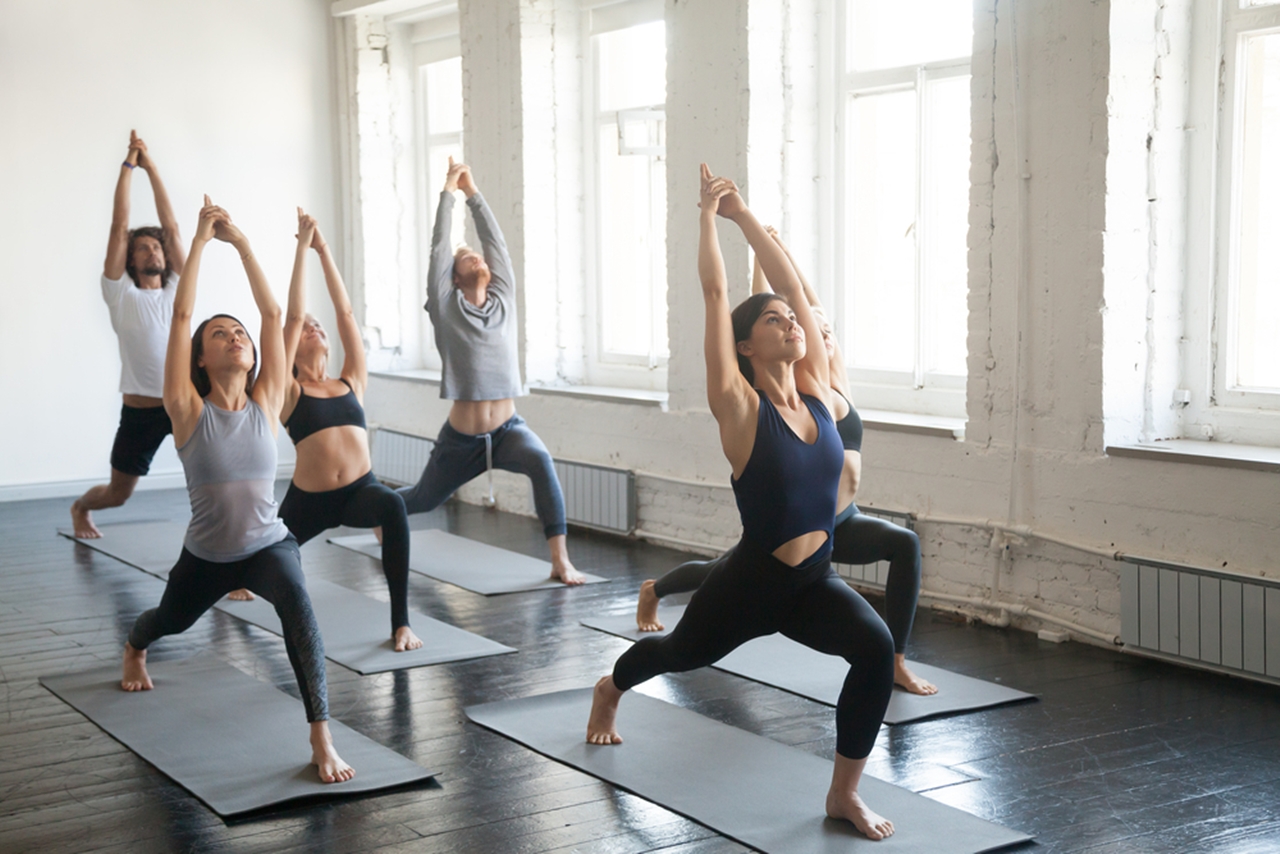

According to the Ministry of Health’s National Population Health Survey 2024, approximately 1 in 3 Singapore residents aged 18 to 74 is living with hypertension. Despite decades of public health campaigns, the numbers have climbed steadily, and for many Singaporeans, managing blood pressure has become a lifelong routine of medication, dietary adjustments, and regular monitoring. What rarely enters that conversation is movement, specifically the kind of structured, breath-centred, parasympathetic-activating movement you discover when you start looking for yoga classes near me and commit to showing up on a consistent basis.
This article is written for the working adult in Singapore who has received a hypertension diagnosis, or who sits in the prehypertension range and wants to act before it progresses. It is not a general wellness piece. It is a clinically grounded look at what happens to your cardiovascular system when yoga becomes a regular part of your week.
Why Blood Pressure Is Such a Stubborn Problem in Singapore
Hypertension in Singapore is not primarily a diet problem, although diet plays a role. It is fundamentally a chronic stress and sedentary lifestyle problem layered on top of genetic predisposition for a significant portion of the population.
The average Singaporean professional spends more than nine hours a day seated, commutes during peak-hour congestion, works in high-accountability environments with compressed deadlines, and sleeps fewer than seven hours on weeknights. Each of these factors independently elevates cortisol levels. Chronically elevated cortisol keeps the sympathetic nervous system, which is your fight-or-flight system, in a state of low-grade activation. That sustained activation raises heart rate, constricts blood vessels, and over time, pushes resting blood pressure upward.
Medication manages the output. It does not address the input. This is precisely where yoga enters the picture in a way that no other mainstream exercise modality does with the same specificity.
How Yoga Acts on the Cardiovascular System
The blood pressure-lowering effect of yoga is not incidental. It operates through at least four distinct physiological mechanisms, each of which has been studied independently.
Activation of the parasympathetic nervous system
Yoga is one of the few physical practices that deliberately and repeatedly activates the parasympathetic nervous system within a single session. Controlled breathing patterns, specifically slow exhalations that are longer than inhalations, stimulate the vagus nerve. The vagus nerve is the primary communication channel between the brain and the heart, and vagal stimulation directly lowers heart rate and reduces vascular resistance. A 2019 meta-analysis published in the Journal of Hypertension, which reviewed 49 randomised controlled trials involving over 3,500 participants, found that yoga reduced systolic blood pressure by an average of 5 mmHg and diastolic blood pressure by 3.9 mmHg. These are clinically meaningful reductions. For someone sitting at 138/88, those numbers can mean the difference between requiring medication and managing through lifestyle alone.
Reduction in circulating cortisol and adrenaline
Regular yoga practice measurably reduces serum cortisol levels. A study published in Complementary Therapies in Medicine found that participants who practised yoga three times per week for eight weeks showed significantly lower morning cortisol compared to controls. Lower cortisol means less sustained vasoconstriction, which translates directly to lower resting blood pressure readings over time.
Improved endothelial function
The endothelium is the thin layer of cells lining every blood vessel in your body. Chronic stress and physical inactivity impair endothelial function, reducing the vessels’ ability to dilate in response to increased blood flow demands. Research shows that regular yoga practice improves endothelial-dependent vasodilation, effectively making your blood vessels more responsive and flexible. This is the same mechanism targeted by some classes of antihypertensive medication.
Baroreceptor sensitivity improvement
Baroreceptors are pressure sensors in your arteries that signal the brain to adjust blood pressure in real time. Chronic hypertension desensitises these sensors. Slow, controlled yoga breathing has been shown to recalibrate baroreceptor sensitivity, improving the body’s ability to self-regulate blood pressure without pharmacological intervention.
Which Types of Yoga Classes Produce the Strongest Effect
Not all yoga classes work the same way on blood pressure, and this distinction matters for someone with a hypertension diagnosis.
Yin Yoga and Restorative Yoga
These are the most directly therapeutic for blood pressure management. Long-held, passive poses combined with guided breathing maintain parasympathetic dominance throughout the entire session. For someone whose nervous system is chronically dysregulated, these classes provide a sustained reset that active yoga styles cannot replicate in the same way.
Hatha Yoga
Hatha classes, particularly those that hold poses for several breaths and integrate pranayama, produce consistent cardiovascular benefit. The pacing allows the body to move out of sympathetic activation without triggering it through exertion.
Hot Yoga
This requires an important caveat for hypertensive practitioners. The heat in a hot yoga room does initially raise heart rate and can temporarily elevate blood pressure during the first 15 to 20 minutes of class. However, research on Bikram-style hot yoga shows that over a course of weeks, regular practitioners develop improved cardiovascular efficiency, lower resting heart rate, and improved blood pressure profiles. The key is to start conservatively, stay well hydrated, and inform the instructor of your condition. Someone newly diagnosed with hypertension should begin with non-heated classes and transition to hot yoga only after a period of stable practice.
Classes to approach carefully
Highly dynamic, fast-paced Vinyasa or power classes with minimal rest periods can temporarily spike blood pressure during the session. This does not make them harmful for most hypertensive practitioners, but they should not be the entry point. Build a foundation first.
Breathing Is the Actual Medicine
One of the most underappreciated aspects of yoga for blood pressure is that the breathing instruction you receive in class is not supplementary. It is central. Techniques like Nadi Shodhana, which is alternate nostril breathing, Sitali, and extended exhalation ratios have been shown in randomised trials to lower blood pressure acutely within a single session and cumulatively over weeks of practice.
The reason most Singaporeans do not benefit from breathing exercises despite reading about them is that breathing technique requires feedback, correction, and repetition under guidance. Reading about it or watching a video is not the same as having an instructor observe your practice, correct your rib mechanics, and cue you through the precise exhalation length that activates the cardiovascular response. This is one of the most practical arguments for attending in-person classes rather than practising alone at home.
What Consistency Looks Like for Blood Pressure Management
The research consistently shows that cardiovascular benefits from yoga are dose-dependent. Two to three sessions per week over a minimum of eight weeks is the threshold at which measurable blood pressure reductions begin to appear in the clinical literature. One session per week maintains general wellbeing but does not produce the sustained autonomic recalibration that lowers resting blood pressure.
This means that convenience matters enormously. If the studio is far, if the schedule does not align with your working hours, or if booking a class feels effortful, consistency will suffer. Choosing a studio with multiple locations, flexible class timings, and a varied schedule removes the logistical friction that causes people to drop off after the initial enthusiasm.
What to Tell Your Doctor
If you are currently on antihypertensive medication and begin a regular yoga practice, it is important to monitor your blood pressure at home more frequently during the first few months. As your resting blood pressure improves, your current medication dosage may become excessive, leading to readings that are lower than your doctor intended. This is not a reason to avoid yoga. It is a reason to stay in communication with your doctor, keep a log of your home readings, and have an honest conversation about whether your medication dosage needs adjustment as your lifestyle changes.
Yoga does not replace medication for established hypertension. What it does is create the physiological conditions under which medication may eventually become less necessary. That is a meaningful distinction for anyone who takes their cardiovascular health seriously.
The Compounding Effect Over Time
The most compelling argument for starting yoga classes if you have hypertension is not what happens in the first month. It is what happens in the sixth month and the second year. Cardiovascular adaptation is cumulative. Every session that activates your parasympathetic nervous system, every week of improved sleep quality driven by reduced cortisol, every month of improved endothelial function, compounds into a resting cardiovascular profile that is measurably different from where you started.
Singaporeans who commit to this process consistently report that their follow-up blood pressure readings surprise their doctors. That is not anecdote. That is the clinical literature playing out in real life. The mechanisms are understood. The evidence is there. The missing piece, for most people, is simply starting and continuing.
Yoga Edition offers classes specifically suited to practitioners with health conditions, including restorative, therapeutic, and foundational formats taught by experienced instructors who understand the importance of working within individual physical parameters. Whether your goal is to come off medication eventually, keep your readings stable without increasing your dosage, or simply add a evidence-based tool to your current management plan, a consistent yoga practice is one of the most well-supported decisions you can make.
Frequently Asked Questions
Q. Can I attend yoga classes if I am currently on blood pressure medication?
A. Yes, and in most cases it is encouraged. Inform your instructor about your condition before class so they can offer appropriate modifications. Monitor your blood pressure at home regularly and keep your doctor updated, as consistent yoga practice may lower your readings enough to warrant a medication review over time.
Q. How long before I see a measurable drop in my blood pressure from yoga?
A. Clinical studies show measurable reductions in systolic and diastolic blood pressure after eight to twelve weeks of consistent practice, typically two to three sessions per week. Individual results vary based on starting blood pressure, stress levels, diet, and sleep quality.
Q. Is hot yoga safe if I have hypertension?
A. Hot yoga is generally safe for people with well-controlled hypertension, but it should not be your starting point. Begin with non-heated Hatha, Yin, or restorative classes, build a consistent foundation over several weeks, and consult your doctor before transitioning to heated classes. Always stay well hydrated and listen to your body during class.
Q. Which breathing technique in yoga is most effective for blood pressure?
A. Extended exhalation breathing, where your exhale is roughly twice the length of your inhale, and Nadi Shodhana, which is alternate nostril breathing, have the strongest clinical evidence for acute and cumulative blood pressure reduction. Both are typically taught as part of regular in-person yoga classes.
Q. Do I need to be physically fit before attending yoga classes for blood pressure management?
A. No prior fitness level is required. Yin, restorative, gentle, and foundational Hatha classes are entirely accessible to people who have been sedentary for years and are managing health conditions. The emphasis in these formats is on stillness, breath, and gradual progression rather than physical performance.
Q. Can yoga help if my hypertension is stress-related rather than diet-related?
A. Stress-related hypertension responds particularly well to yoga because the practice directly addresses the autonomic nervous system dysregulation that drives the condition. If your blood pressure spikes at work or during periods of high pressure and settles on weekends or during holidays, yoga is one of the most targeted interventions available to you.

Comments are closed.