
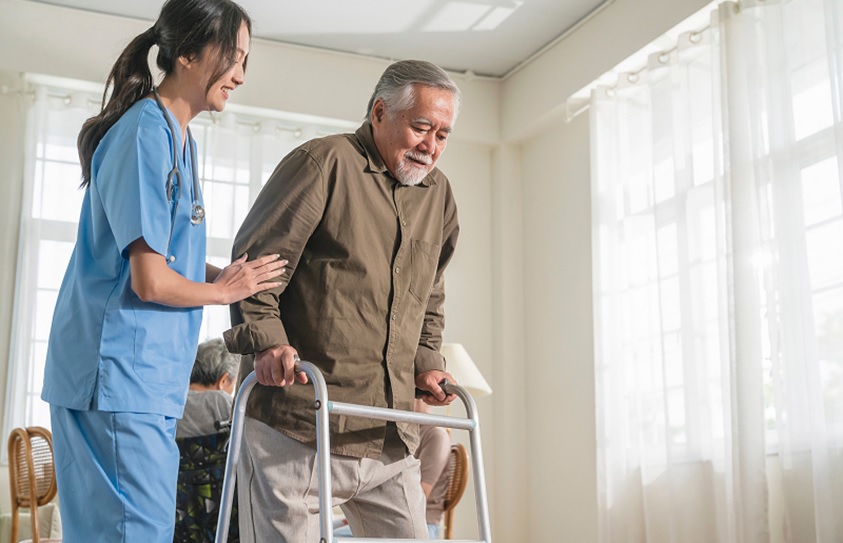

Welcoming a professional into your home to support an ageing parent represents an important transition for any family. Balancing heavy work commitments, personal responsibilities, and the evolving medical needs of an elderly loved one often stretches household resources thin. Bringing in a qualified elderly caregiver restores routine stability and ensures your family member receives continuous personal attention throughout the day. However, simply signing an employment contract without prior household preparation creates confusion and unnecessary friction. From modifying physical living spaces to compiling detailed medication charts, families must lay the groundwork well before the first shift begins. Preparing your household ensures both the professional and your loved one establish a positive, cooperative relationship from day one.
Mapping Daily Rhythms: Documenting Care Needs and Personal Quirks
A seamless transition begins with understanding the specific daily assistance your relative actually requires.
Every senior maintains unique morning routines, dietary preferences, and personal mobility limits. Before interviewing candidates, write down a structured daily schedule outlining wake-up times, bathroom habits, meal choices, and preferred afternoon activities. Note any dietary restrictions, such as low-sodium requirements or pureed food consistencies. Furthermore, compile a comprehensive medical file detailing primary diagnoses, past surgeries, attending physician contacts, and emergency telephone numbers. When an elderly caregiver steps through the doorway, having this clear operational reference eliminates guesswork and prevents disruptions to your parent’s established comfort.
Safeguarding the Home: Essential Environmental Modifications
Adapting your home environment reduces falls and equips support staff to handle transfers safely and efficiently.
Senior mobility changes quickly, and common household furnishings often present unexpected physical hazards. Adapting your flat creates a secure working area that minimises injury risks for both senior and carer:
- Bathroom Grab Rails – Install stainless steel or textured support bars beside the toilet bowl and inside the shower cubicle to stabilise daily transfers.
- Non-Slip Flooring – Lay anti-skid rubber mats across wet kitchen and bathroom areas while removing loose decorative floor rugs that cause trips.
- Clear Walking Pathways – Rearrange coffee tables, extension cables, and low footstools to ensure a clear corridor for walking frames or wheelchairs.
- Adequate Task Lighting – Add automatic motion-sensor night lights along the hallway between the bedroom and bathroom to prevent disorientation after dark.
Completing these adjustments provides a secure domestic setting that matches the safety standards seen in purpose-built elderly co-living communities.
Establishing Boundaries: Privacy, Quarters, and Communication Protocols
Clarity regarding household expectations prevents misunderstandings between family members and incoming staff.
If you employ a live-in helper, arrange a private, comfortable bedroom with adequate ventilation and personal storage before their arrival. Outline transparent ground rules covering working hours, rest breaks, off-day arrangements, and mobile phone usage during shifts. Additionally, set up a dedicated communication channel, such as a daily logbook or a family messaging chat. Requesting the carer to log fluid intake, blood pressure readings, and daily mood observations keeps all family members updated on physical changes. Clear operational guidelines empower the carer to deliver consistent, proactive assistance without second-guessing household preferences.
Evaluating Alternatives: When Shared Living Models Suit Better
Home-based care provides familiarity, but certain seniors thrive far better in interactive group environments.
Living alone with a single helper can sometimes lead to social isolation, particularly for sociable seniors who miss regular peer conversation. In recent years, dynamic elderly co-living spaces have emerged across the island as an engaging alternative to traditional home arrangements. These modern communal residences combine private bedrooms with shared communal lounges, providing round-the-clock professional supervision alongside structured group activities and social dining. Weighing the social needs of your parent alongside physical care requirements helps you decide whether hiring a private domestic aide or choosing a community-centred elderly co-living arrangement offers the best quality of life.
The Path to Peaceful Caregiving
Hiring an elderly caregiver requires thorough preparation, from securing your home against trip hazards to outlining clear medical schedules and communication protocols. Taking the time to organise your household before care begins ensures a smooth onboarding process, safeguards your loved one’s comfort, and provides your entire family with long-term peace of mind.
Frequently Asked Questions
What certifications should I check when hiring a private carer?
Look for verified certifications in basic first aid, CPR, eldercare support, and specialised dementia management to ensure the carer possesses appropriate clinical handling skills.
How do I prepare my elderly parent emotionally for an outside helper?
Involve your parent in the decision early, frame the carer as an assistant who helps preserve their independent lifestyle, and introduce the professional gradually through trial sessions.
Can a domestic caregiver administer prescription injections?
Standard domestic helpers cannot administer clinical injections; you must engage licensed home nurses or visit polyclinics for invasive procedures such as insulin injections or wound dressings.
Give your senior family members the dignity, comfort, and professional support they deserve with tailored eldercare and assisted living options. Contact Top Faith today to discover personalised care solutions designed for your family’s needs.

Comments are closed.